Keloid Scars: What Are My Treatment Options?
Keloid scars can reach deep into the skin, and many people who have one feel self-conscious and want to find the best way to improve how it looks. Dr Richard Shaffer explains what keloids are and which treatment options are available.
In this article
Keloid scars can reach deep into the skin, and many people who have one feel self-conscious and want to find the best way to improve how it looks. Dr Richard Shaffer, a leading specialist in radiotherapy for non-cancer conditions, explains what keloids are and which treatment options are available.

What Are Keloid Scars?
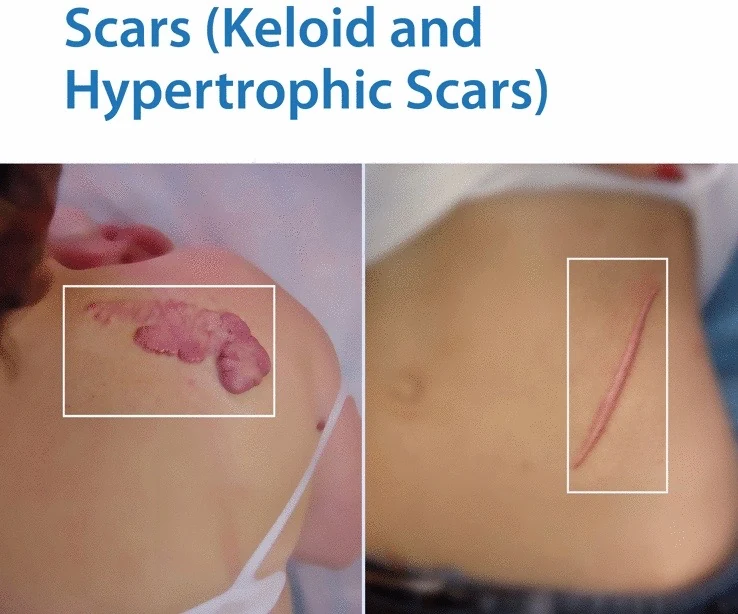
Keloid scars are made of tough, bulky scar tissue that spreads beyond the area of the original skin injury. They form when scar tissue keeps growing instead of healing. They tend to start as raised, red and inflamed areas and later become closer to normal skin colour as they settle. For most people the appearance is the main concern, but keloids can also be itchy or painful.
Who Is More Likely to Develop Keloid Scars?
Keloid scars are most common in people with dark skin (around 5-10%) compared with people with light skin (less than 1%), and the average age when they appear is 10 to 30 years old. Some people have family members who have had abnormal scars, and a number of inherited genes may cause them.
Can Keloid Scars Be Prevented?
Keloids tend to form after the skin is damaged, for example by an injury, surgery, acne, body piercing, a tattoo, a vaccination (e.g. BCG) or an insect bite.
Hormones can also play a part, such as sex hormones, for instance in polycystic ovary syndrome (PCOS), and thyroid hormone imbalances. High blood pressure can also be involved. Dealing with these factors may also help to stop these scars from growing.
Keloids often appear where the skin is under tension, such as the chest and upper back. This indicates that certain heavy and repetitive physical activities may contribute to their formation.
People who have had keloid scars before should avoid unnecessary skin trauma, such as body piercing or tattoos.
How Are Keloid Scars Treated? Can They Be Removed Completely?
There are two main approaches to treating keloid scars:
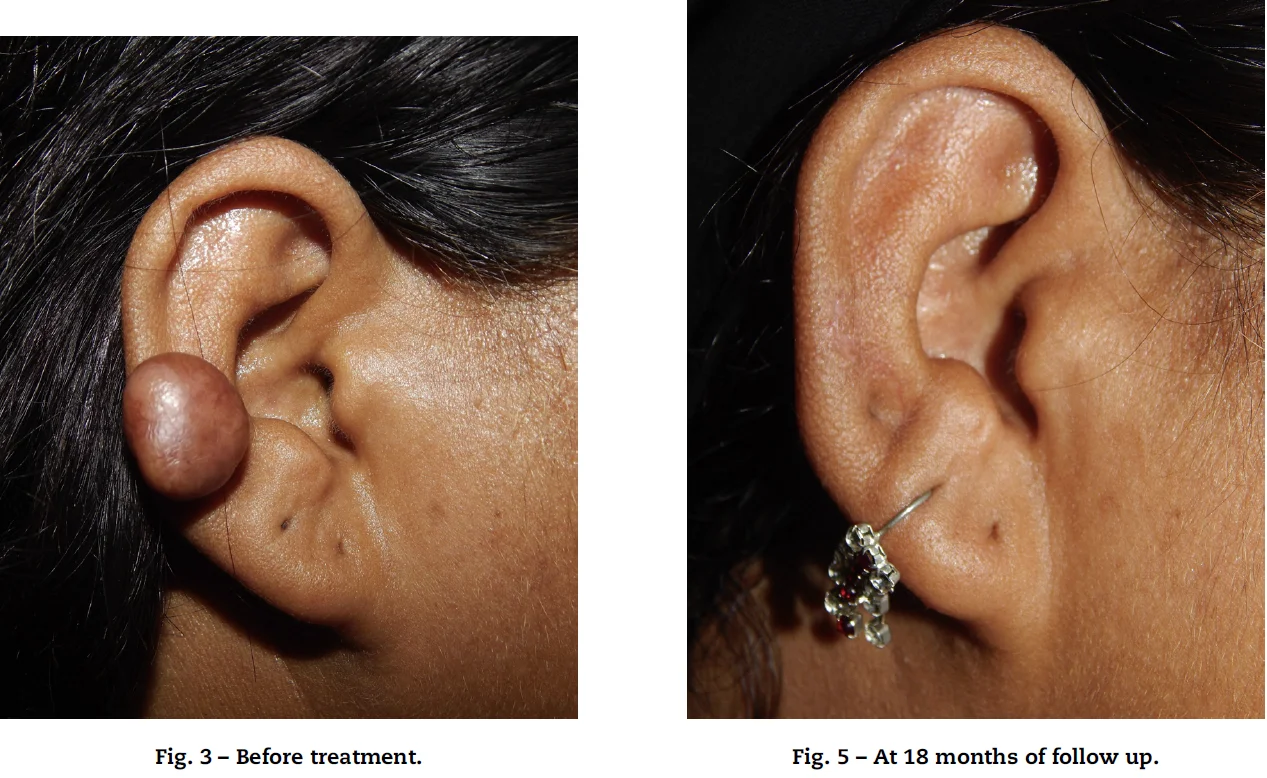
- Some treatments can improve the symptoms and size of the scar without removing it. For instance, steroid injections can be given to reduce the bulk of the scar. These injections do have side effects, though. They may change the colour of the skin and, unfortunately, 50% of scars will regrow after treatment. Using laser treatment before the steroids are applied can make them more effective.
- The most definitive approach, particularly for large and troublesome scars, is to remove the whole scar by surgery (excision), followed by radiotherapy shortly afterwards. Surgery alone gives a high chance of the scar coming back (in around 80% of cases), so radiotherapy is given within 1-2 days of the operation, as it stops the scar returning in the vast majority of cases.
Next steps
Thinking About Treatment for Keloids?
Dr Shaffer sees patients for assessment and, where suitable, low-dose radiotherapy.