Dupuytren's Contracture: What Is It? Why Does It Happen? What Does It Mean for Me?
Understand what Dupuytren's disease is, why it develops and what it could mean for your hand.
Dupuytren's disease is a common, usually painless condition in which the tissue under the skin of the palm thickens and tightens. It often starts as a small lump or dimple and, over time, can slowly pull one or more fingers towards the palm.
Dr Shaffer opened his practice in 2011 because people with early Dupuytren's disease in the UK were often told to watch and wait until surgery became necessary. Low-dose radiotherapy, long established in Germany, was rarely offered here. Since then, he has treated thousands of patients.
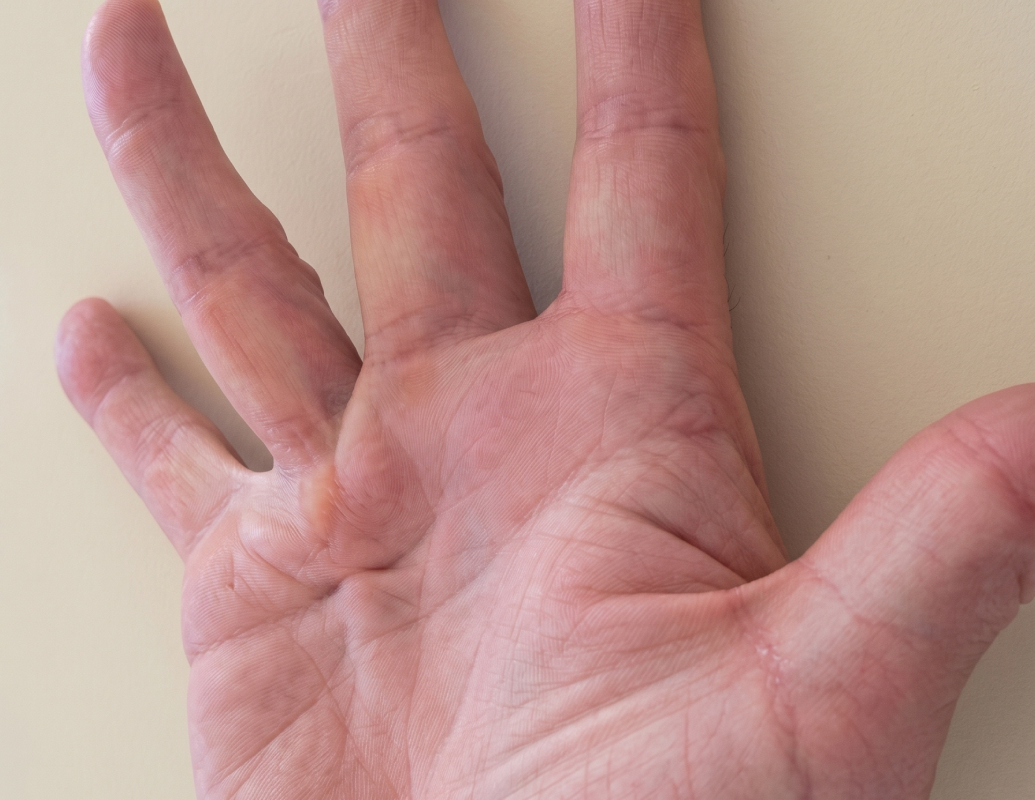
Dupuytren's disease often shows itself in four recognisable ways. Not everyone has all four signs, and they can overlap, but knowing what to look for helps you spot changes early.
01 / 04
Nodules are firm lumps that form under the skin of the palm. They usually appear in line with the ring or little finger. They can be tender at first but often become painless, so many people only notice them by chance while washing their hands or gripping a handle. There may be more than one, and they can appear in one hand or both.
02 / 04
Skin pitting describes small dimples or puckered areas in the palm, usually close to the base of a finger and often beside a nodule. They appear because the thickened tissue underneath tightens and pulls the skin inwards. Pits are one of the earliest visible signs of Dupuytren's disease and are easy to miss, especially when the palm looks otherwise normal and nothing hurts or feels unusual.
03 / 04
Cords are firm bands of thickened tissue that run from the palm towards the fingers, sometimes described as a tight piece of string under the skin. They develop from the normal bands of tissue in the palm and become thicker and shorter as the disease progresses. You may have one cord or several. They are usually easiest to see as a ridge when you try to straighten your hand.
04 / 04
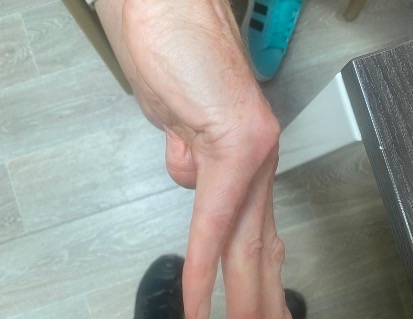
A contracture occurs when a finger can no longer straighten fully because a shortened cord holds it in a bent position. It most often affects the ring and little fingers and usually develops slowly, over months or years. The pace varies from person to person. A quick tabletop test can help: if you cannot lay your hand flat with the fingers fully straight, a contracture may be developing.
Everyone's hands are different, and Dupuytren's usually changes slowly, though the pace varies. What's happening with your hand today helps decide whether to monitor it, consider radiotherapy or explore other treatment options. Choose the description closest to you.
Assessment & active monitoring
Radiotherapy
Radiotherapy
Contracture release (surgery, needle)
Dr Shaffer opened his practice more than 15 years ago and is one of the UK's leading specialists in treating Dupuytren's disease with low-dose radiotherapy. He starts by understanding your hand, then guides you to the option that makes the most sense for you, even if it's not radiotherapy.
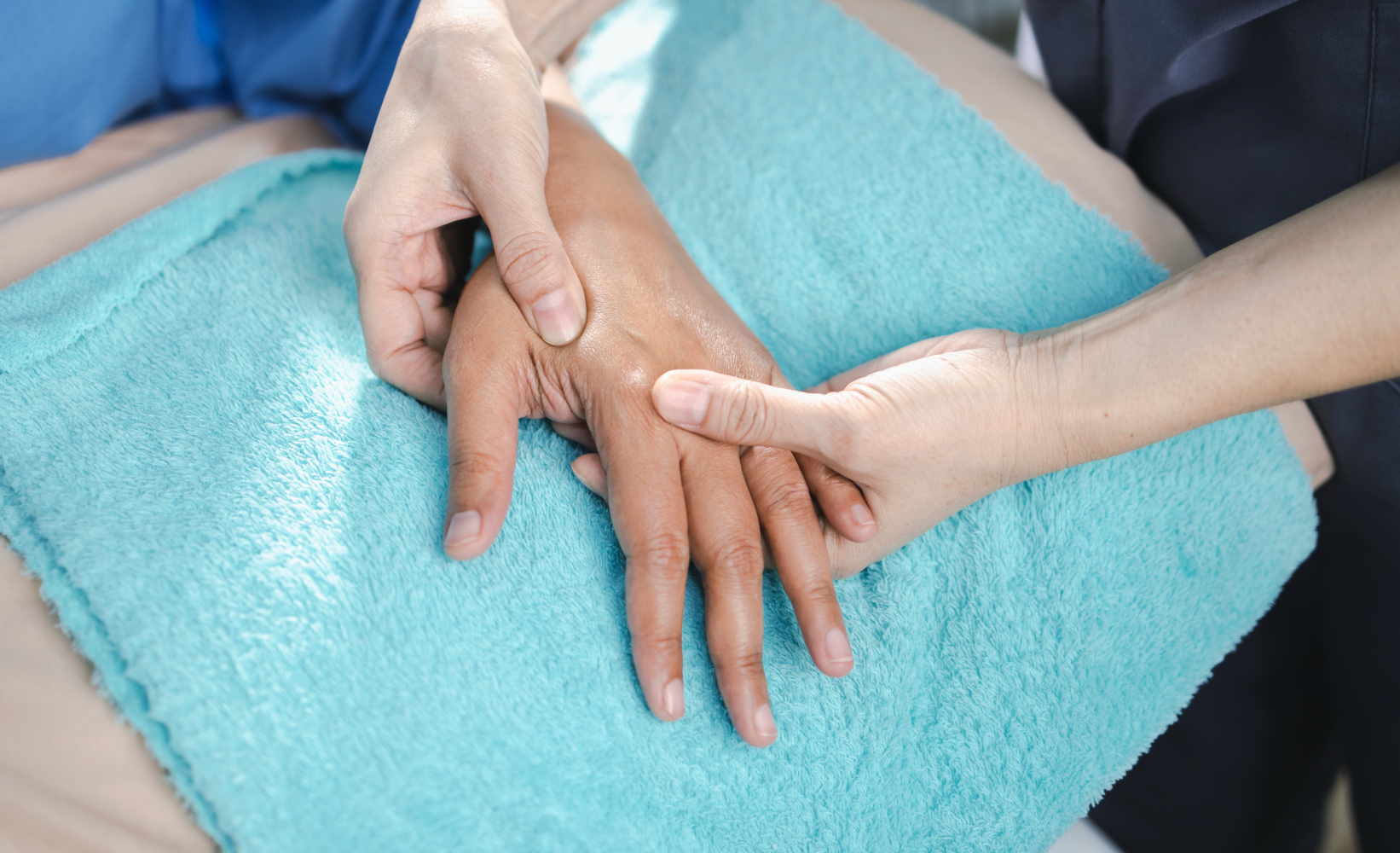
Dr Shaffer discusses your history, including when you first noticed the problem and how things have changed since. He then examines your hands and checks how far your fingers straighten. He'll explain what he finds in straightforward terms, including whether radiotherapy is likely to help.
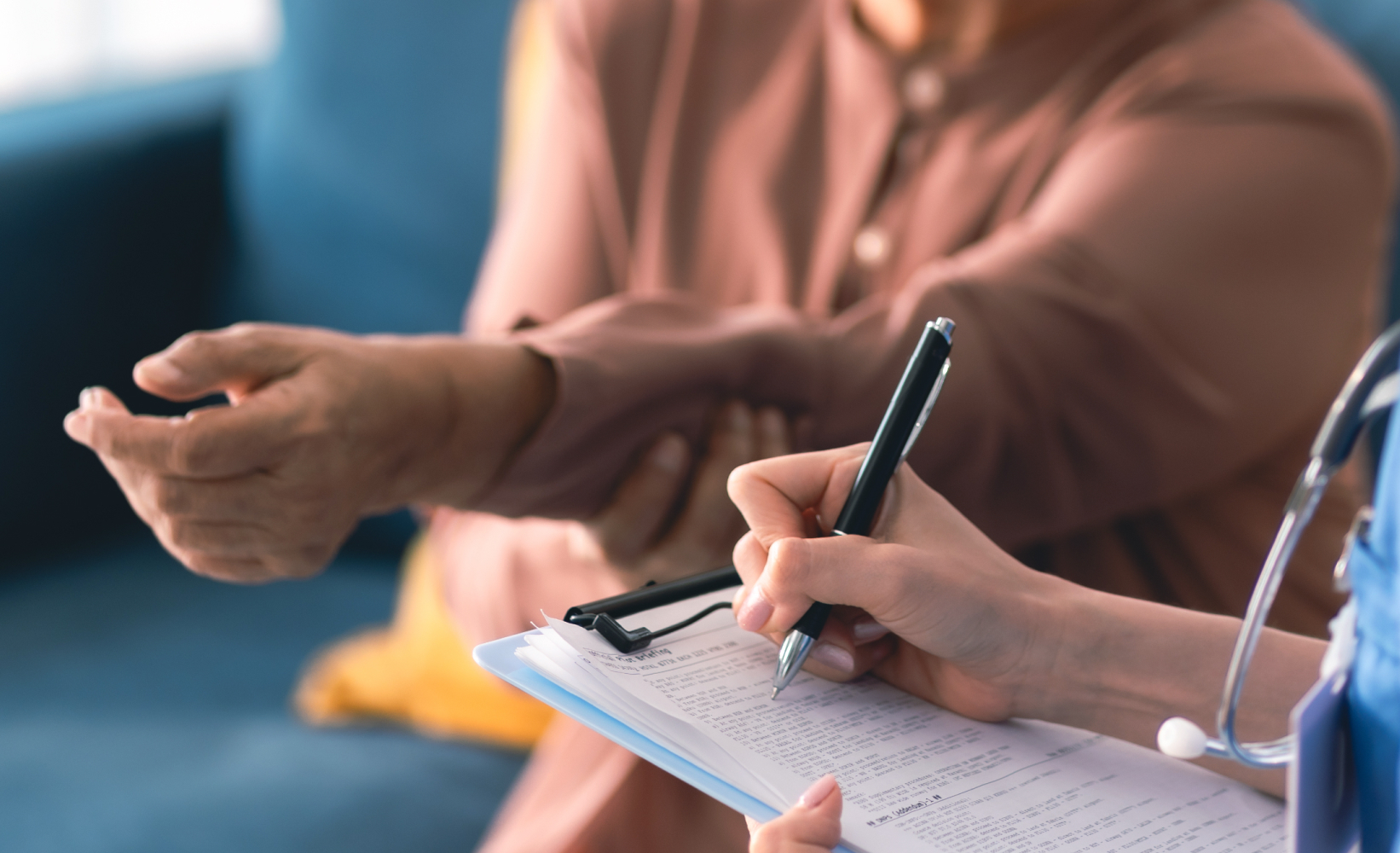
You and Dr Shaffer agree on the best treatment for your situation. He recommends the option he believes is right for you and explains the benefits, limits and possible side effects. This allows you to decide with confidence. If you go ahead, Dr Shaffer will plan your treatment so it reaches only the affected area of your palm.
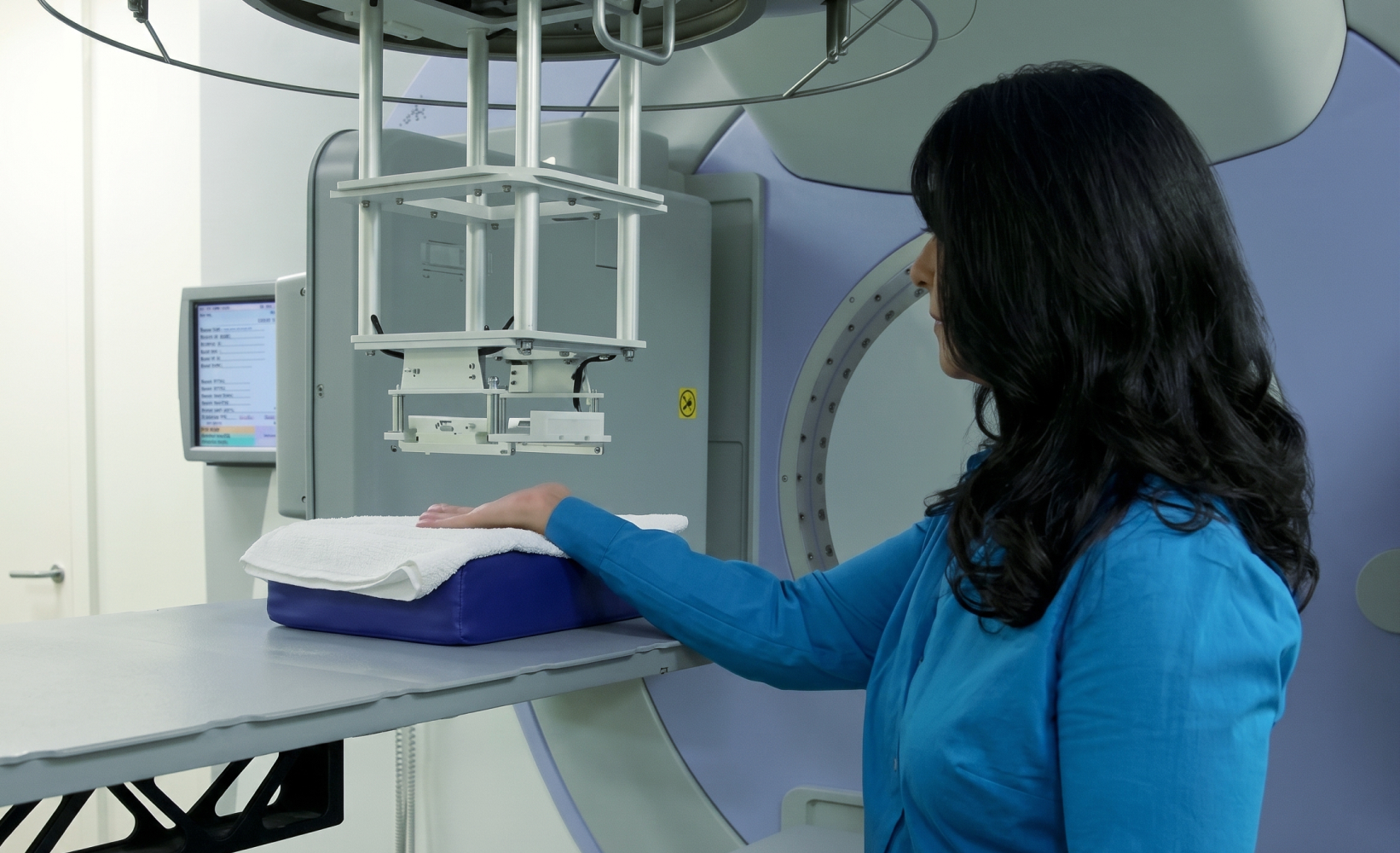
Radiotherapy is delivered as a short course of outpatient sessions at one of 16 centres across the UK. There are no needles, anaesthetic or incisions, and you won't feel the treatment itself.
Dr Shaffer assesses patients in person at five locations nationwide. If travel is difficult, your first consultation can be held by video.
Treatment is available at 16 centres across the UK.
View Locations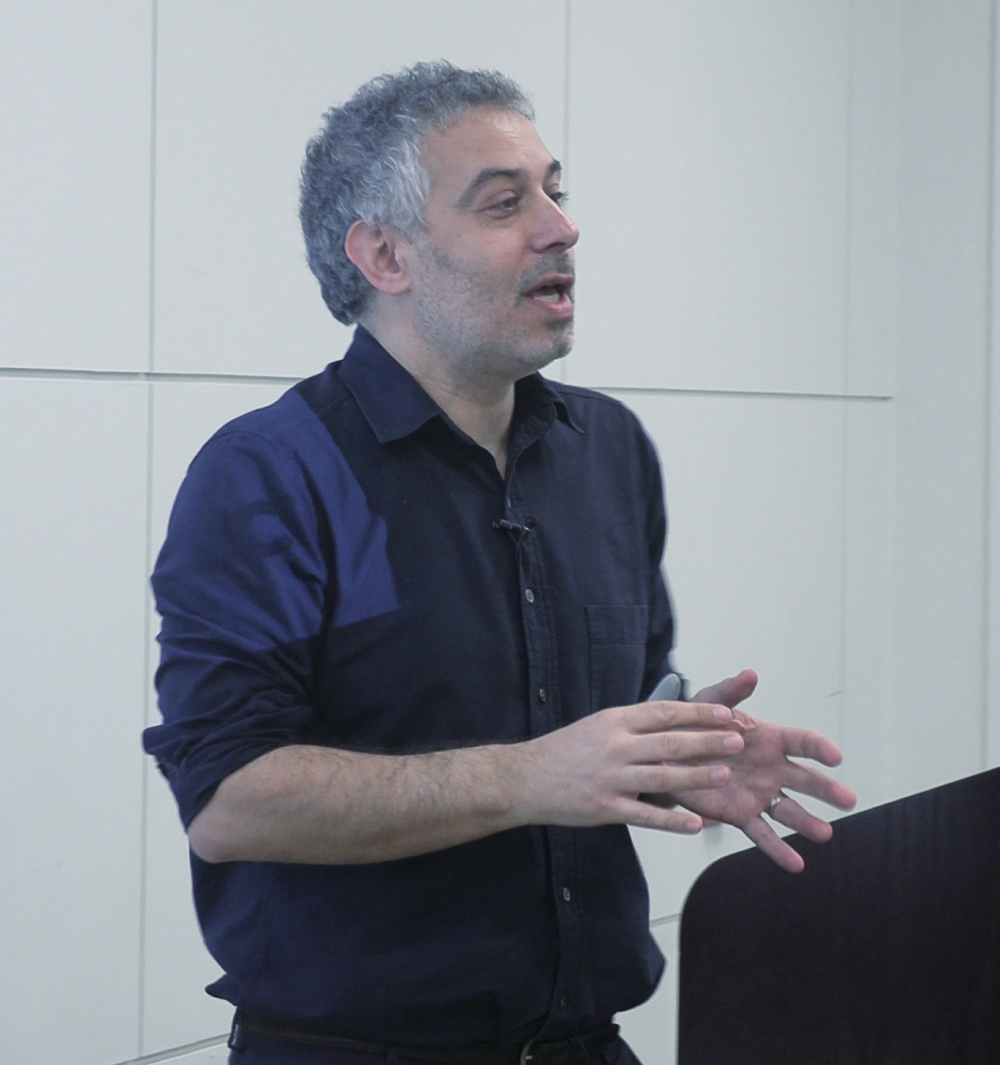
Your first appointment helps you understand where you are now with your Dupuytren's disease and whether radiotherapy is suitable for your hand. You can also discuss your background and medical history with Dr Shaffer. He will advise you on what to do next, whether that is treatment, monitoring or an alternative route.
Every review below is a genuine Google review from patients Dr Shaffer has been in the past, exactly as it was written. They are here so you can understand what a consultation and treatment are actually like from people who have experienced them.
4.9
★★★★★
300+ Google reviews

3 months ago
★★★★★
I had an initial consultation with Dr Shaffer today. The appointment was on time, very informative and reassuring. Dr Shaffer is clearly a leading expert and I would have no hesitation recommending him to my family and friends.

11 months ago
★★★★★
Within 20 minutes of completing an online enquiry form Dr Shaffer had called me personally, discussed my condition and made an appointment to see him. He listened, gave me time to discuss every aspect and after a thorough examination gave me advice about whether I needed treatment at this time or not. I never felt under any pressure and completely trusted his expert opinion. At last somebody who took notice and understood the condition. I would highly recommend his care.

9 months ago
★★★★★
I received radiotherapy treatment for Dupuytrens Contracture on my right hand which ended in March 2023. I’m happy to say that the progression of Dupuytrens has ceased in my right hand and no more nodules or contractures have appeared. Dr Shaffer and his team were very helpful and professional throughout and I would recommend their services gladly.

a year ago
★★★★★
A lovely, friendly, efficient hospital. My appointment was on time. Dr Shaffer was welcoming and kind and thoroughly detailed his findings and the approach to my treatment. My schedule for the treatment was limited so every effort was made to accommodate me within my timeframe. The only surprise for me was the lack of parking at the hospital, so if you're taking your car it would be a good idea to research parking facilities within the area before your appointment.

5 years ago
★★★★★
Despite the Covid-19 situation I was dealt with quickly and efficiently by all staff. Dr Shaffer was on-time and dealt with the examination of hands/feet. He was able to rely on records of a prior visit in 2011 to help with diagnosis (that I had lost). He was able to recommend treatment and courses of action - whether through him or colleagues. He was very helpful.
10 months ago
★★★★★
I had treatment on my left hand a year ago by Dr Shaffer and his team. All good so far and the nodules do feel much softer. Unfortunately it has now started in my right hand but I'm hopeful the treatment will work as well on this hand. Dr Shaffer is really warm and personable. He really does help to put your mind at rest. His team are very friendly and kind too. Would highly recommend.
6 months ago
★★★★★
Since receiving Radiotherapy treatment for Dupuytrens in my left hand, in 2022, there has been no noticeable growth in the cords and nodules present, and no signs of contraction. Dr Shaffer was swift to arrange my initial appointment and examination, and the therapy schedule was set up not long after. I am very happy with the whole experience from start to finish.
6 months ago
★★★★★
Richard treated my Dupuytrens in 2021. At the time, I was developing a contracture. Treatment was easy and a complete success - no contractures and a fully functional hand.
11 months ago
★★★★★
My consultation with Dr Richard Shaffer was incredible. I have a severe case of Ledderhose disease and Dupuytrens. Dr Shaffer showed so much concern and interest in my case. For the first time in 51 years I am beginning to feel confident that someone may be able to assist me with this disease. It was an inspiration and a pleasure to meet with Dr Shaffer. Thank you so much.
11 months ago
★★★★★
Professional operation with an initial consultation with Richard Shaffer, who is very knowledgeable and experienced, followed by two sets of radiotherapy on both hands. My dupuytrens improved markedly so seeking help was worth the expense. Avoid pretenders and head to those that know what they're doing potentially saving yourself from surgery.
In-depth guides from Dr Shaffer's Dupuytren's UK website, written to help you understand your hand and your options.
Understand what Dupuytren's disease is, why it develops and what it could mean for your hand.
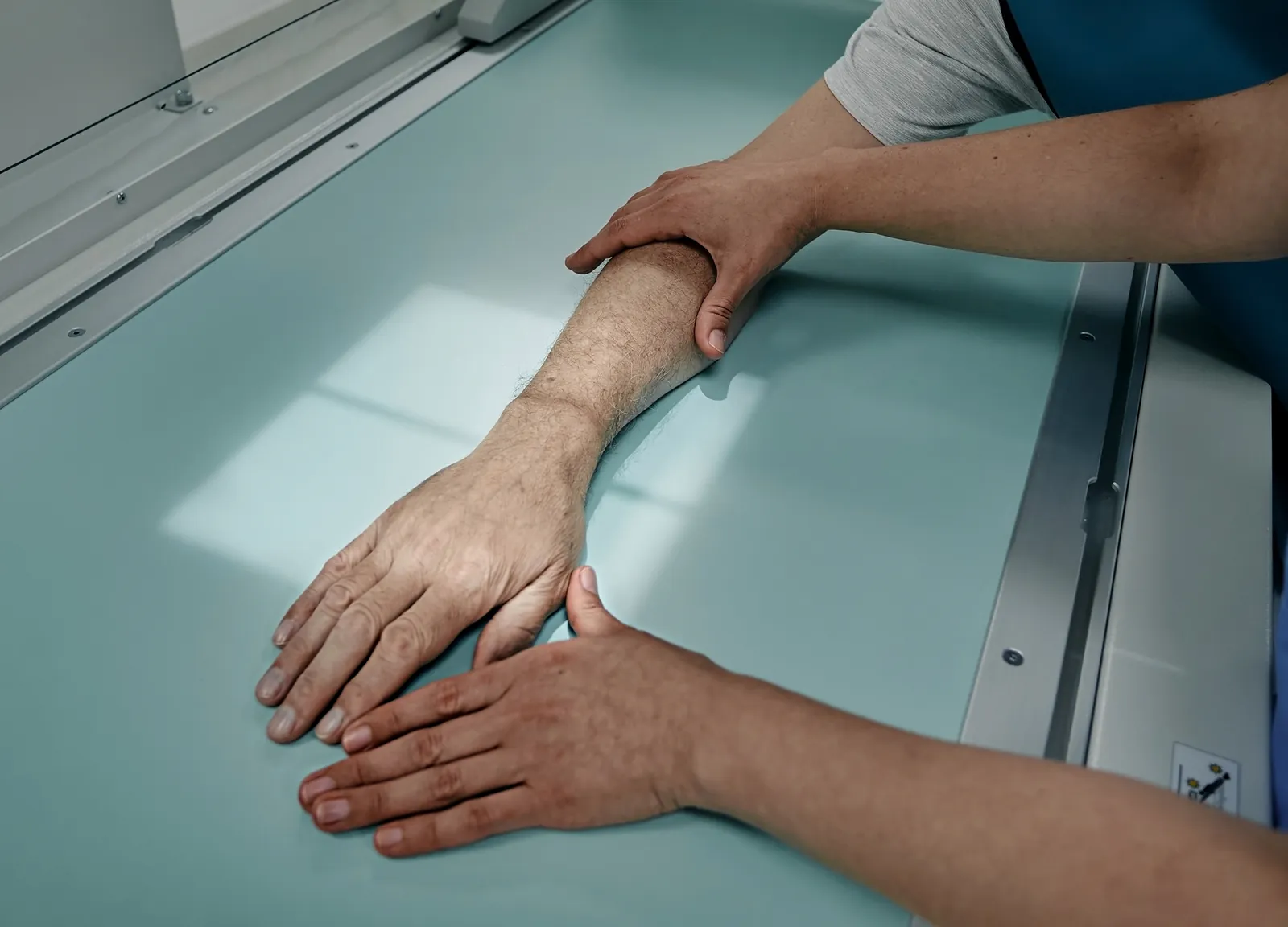
A look at what the research says low-dose radiotherapy can and cannot do for early Dupuytren's disease.
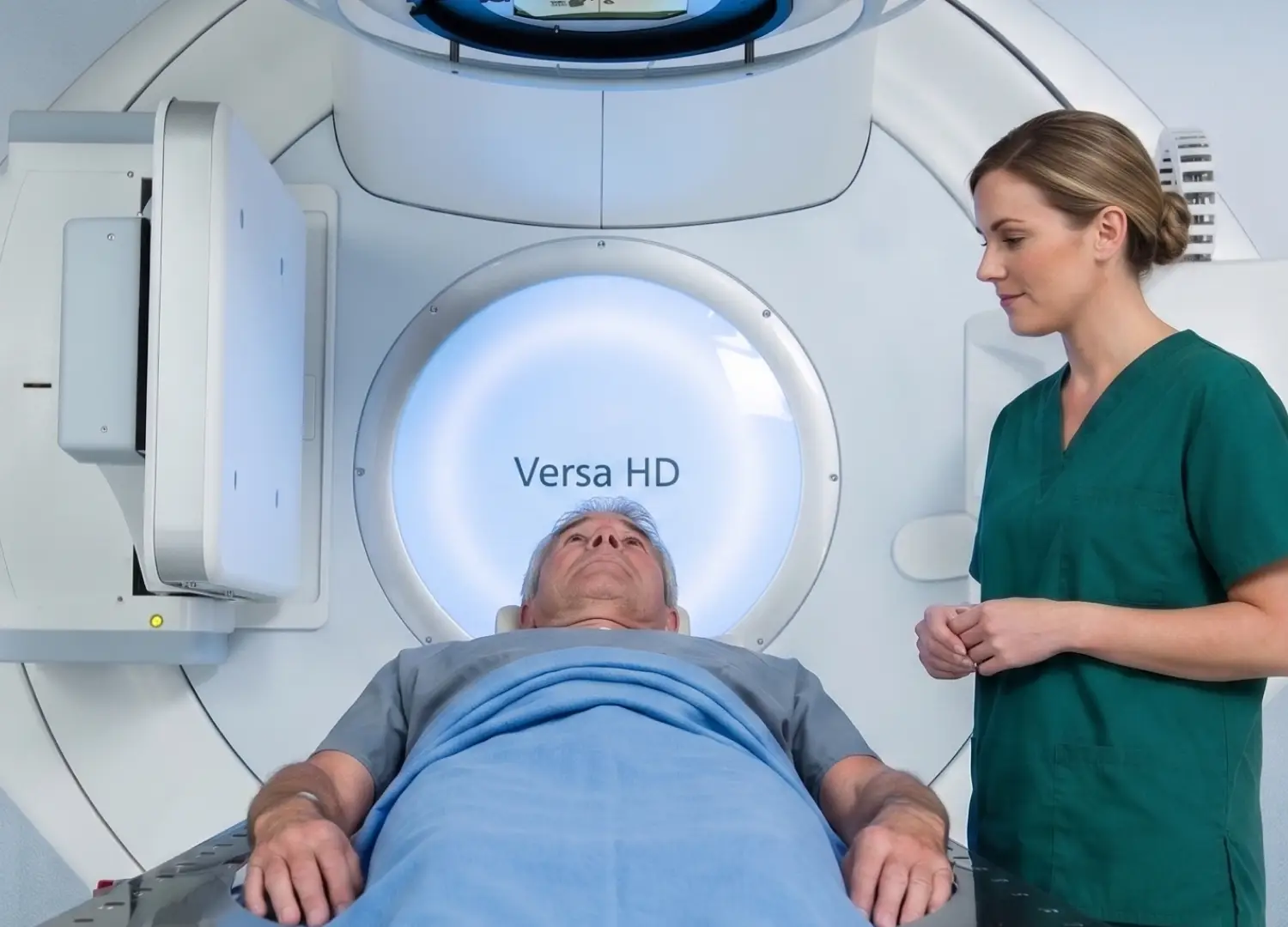
How the stage of your Dupuytren's affects whether radiotherapy is likely to help.
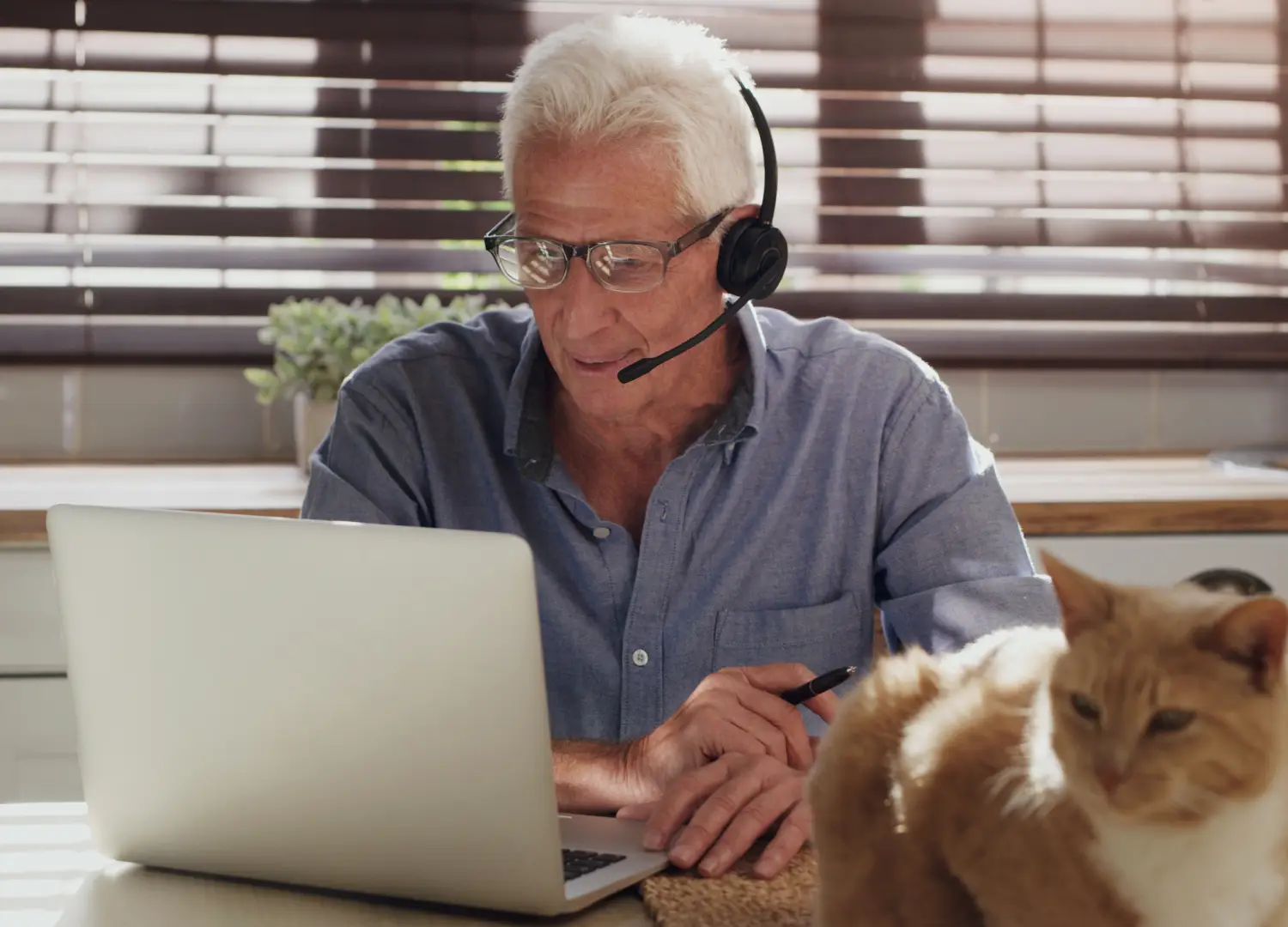
Many patients live a long way from a clinic, sometimes even overseas. Find out how a virtual consultation works.
Low-dose radiotherapy is used for early Dupuytren's disease, when you have nodules or cords. It's suitable if your fingers still straighten fully or bend only slightly, up to about 20 degrees. UK and German guidance supports treatment at these stages, especially if the condition has been worsening over the last year. Once a finger is clearly bent, radiotherapy can't straighten it. Dr Shaffer will examine your hand and explain each option, including when radiotherapy isn't the right choice.
Treatment is given as an outpatient. Needles, anaesthetic and incisions aren't necessary, and you won't feel the radiotherapy itself. The treatment is generally given as two courses of five brief sessions, given 3 months apart, meaning ten sessions in total.
There is currently no cure for Dupuytren's disease. Radiotherapy aims to slow or stop the disease so a bend doesn't develop or get worse. In some people, nodules can soften or shrink. Radiotherapy can't straighten a finger that is already stuck in a bent position. In a long-term German study, fewer treated hands worsened than untreated hands. Results will vary from person to person, and some people need further treatment later. Dr Shaffer will give you a realistic view of what to expect in your own hand.
The radiotherapy doses used for Dupuytren's disease are much lower than those used to treat cancer, and the beam is aimed only at the affected area of the palm. The most common side effects are mild skin changes, such as redness and dryness in the weeks after treatment. These usually settle well. A small number of people notice longer-term dryness or reduced sweating in the treated skin. So far, studies have not reported cancers caused by treatment to the hand, but long-term data are limited. Dr Shaffer will talk through the risks and benefits with you.
In some cases, yes. Radiotherapy isn't a replacement for surgery to release a bent finger. But it might be considered afterwards to reduce the chance of the disease returning in the treated area or elsewhere in the hand. Your operation, how well you have healed and what the rest of your hand looks like will factor into the decision. Dr Shaffer will assess this with you at your appointment.
Firm lumps on the sole of the foot may be Ledderhose disease, sometimes called Dupuytren's of the foot. It's a related condition, and the two can occur together. The Dupuytren's Society reports that between 5% and 25% of people with Dupuytren's develop it. Dr Shaffer also treats Ledderhose disease with low-dose radiotherapy. You can read more about it on our dedicated Ledderhose page.
No. You can book your first appointment with Dr Shaffer directly, without a GP referral. Book online or send an enquiry, and a member of the team will be in touch to talk through the next steps.
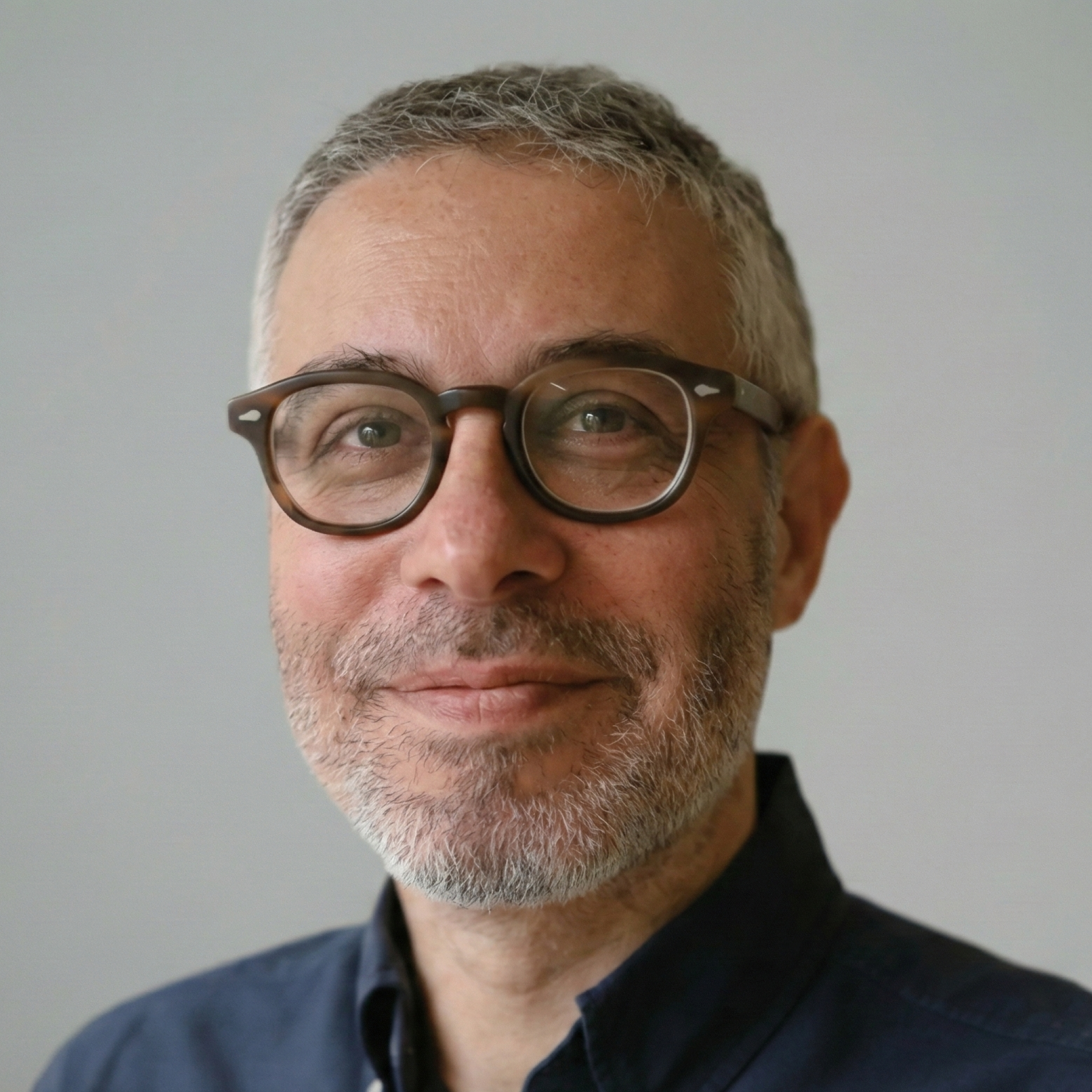
Radiotherapy Expert
Dr Shaffer has spent over fifteen years treating benign conditions with low-dose radiotherapy, from Dupuytren's and Ledderhose disease to osteoarthritis and keloids. Book a consultation to discuss your symptoms and whether treatment is right for you.
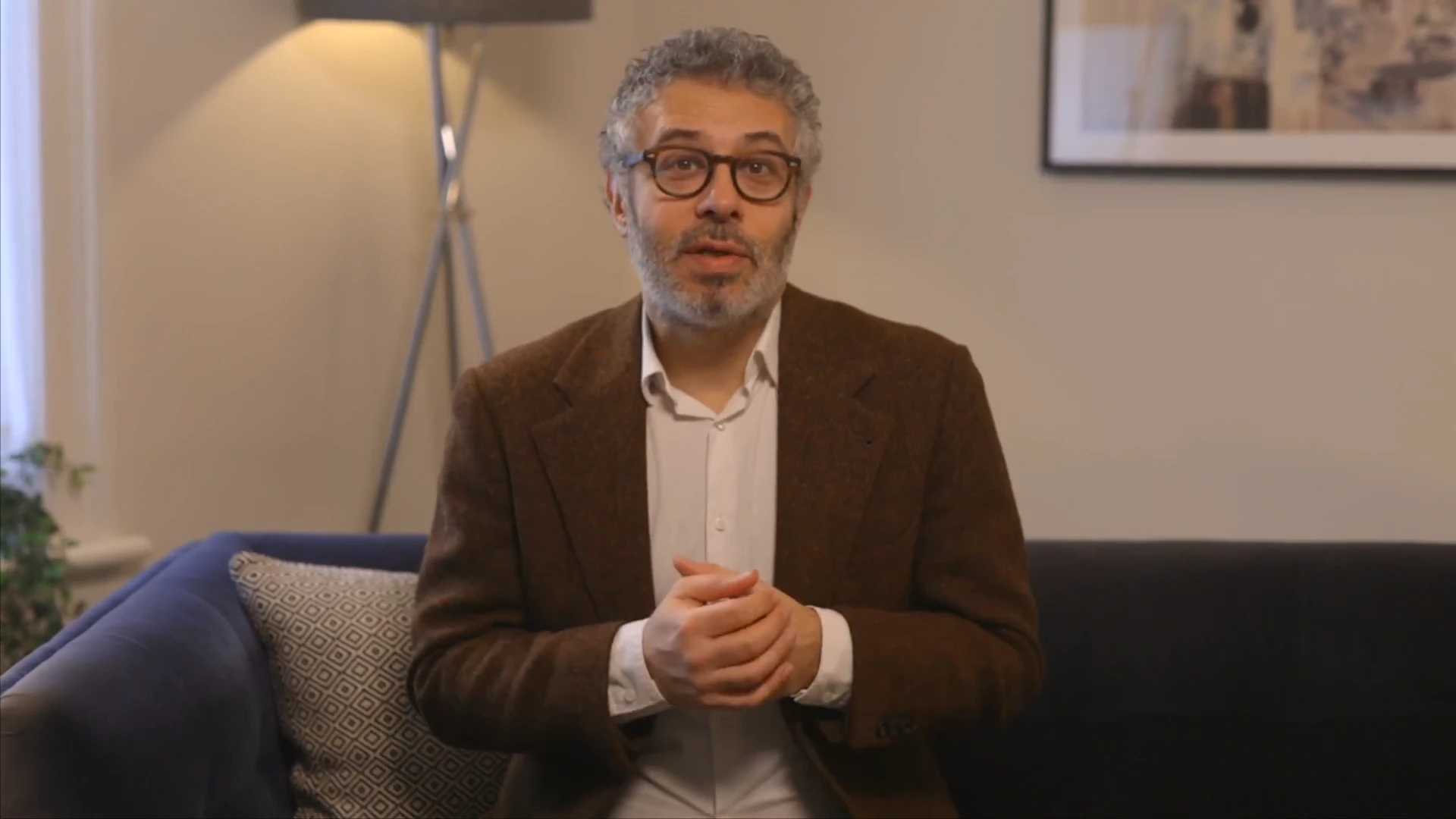
Dr Richard Shaffer
30 min
Ergéa Clinics currently accepts self-pay patients only, so all consultations and treatment are paid for directly. Dr Shaffer charges the following consultation fees:
If you see Dr Shaffer at Ergéa Clinics, planning and radiotherapy treatment will normally both take place at this location.
Our team aims to respond within one working day.
Sorry, that did not send. Please call 07584 532397 or email pa.drshaffer@genesiscare.co.uk.
Thank you. Dr Shaffer's team will be in touch shortly.