
New Trial: Radiotherapy Is Proven to Be Effective in Ledderhose Disease
Researchers tested radiotherapy against a dummy treatment in people with painful Ledderhose lumps.

Finding a hard lump in the sole of your foot can be worrying. When it starts to make walking painful, it might be time to seek treatment. Low-dose radiotherapy can help to calm painful or growing lumps (nodules) without surgery.
Dr Richard Shaffer is a consultant clinical oncologist who specialises in radiotherapy. He has used radiotherapy to treat non-cancerous conditions since 2011 and has treated more than 3,500 patients with them. This includes people with Ledderhose disease. Each patient has treatment designed specifically for their own condition.
Learn more about Ledderhose disease.
01 / 01
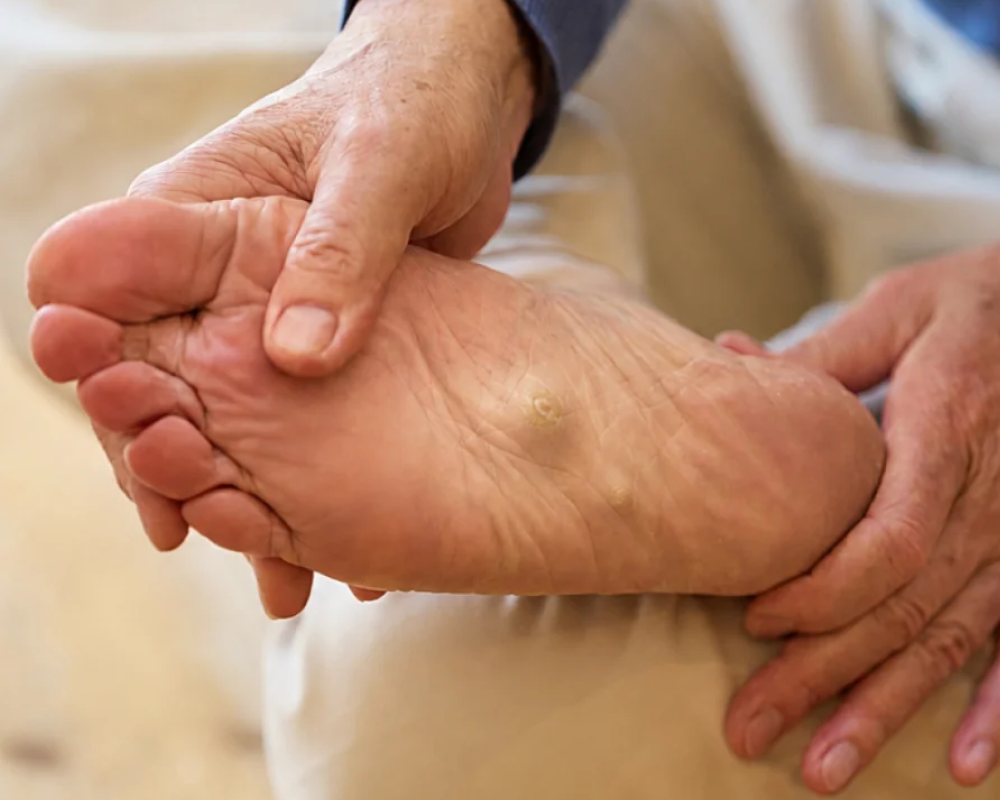
Ledderhose disease is also known as plantar fibromatosis. It's a thickening of the plantar fascia, the band of tissue along the sole of your foot. It usually shows up as one or more firm, rubbery nodules in the arch. These can be painless at first and are often found by accident. About 1 in 4 people will have nodules in both feet. Our guide to the symptoms of Ledderhose disease explains what to look for.
Ledderhose lumps can develop at different rates. Your symptoms help determine whether it's best to monitor a lump, consider radiotherapy, or explore other options.
Assessment & active monitoring
Radiotherapy
Radiotherapy
Insoles, injections, surgery
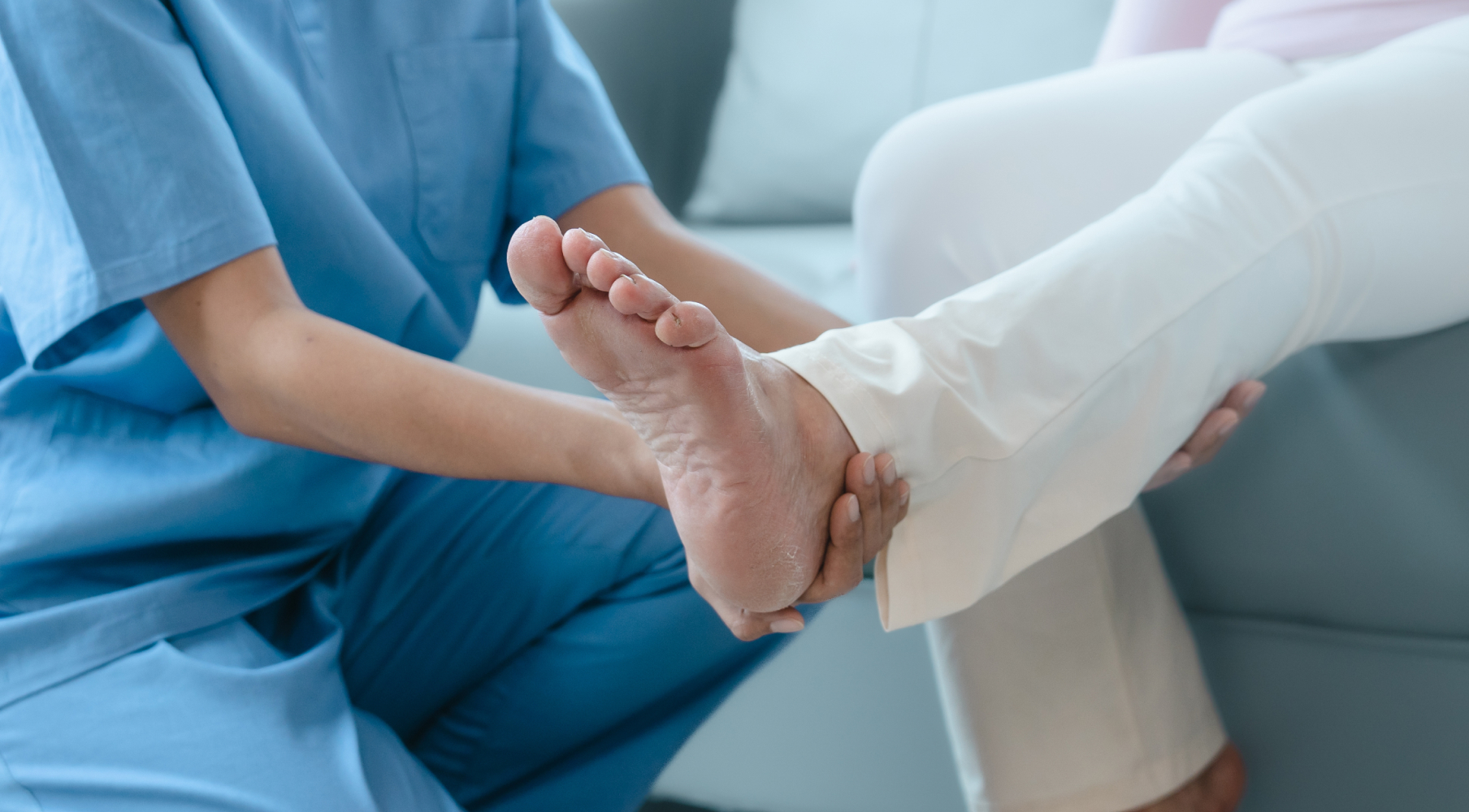
Dr Shaffer starts by examining your foot. He listens to your concerns, asks how long the lumps have been there, whether they affect your walking, and what you have already tried. He then explains what he finds in easy-to-understand terms. This will include whether radiotherapy is likely to help and what your alternatives are.
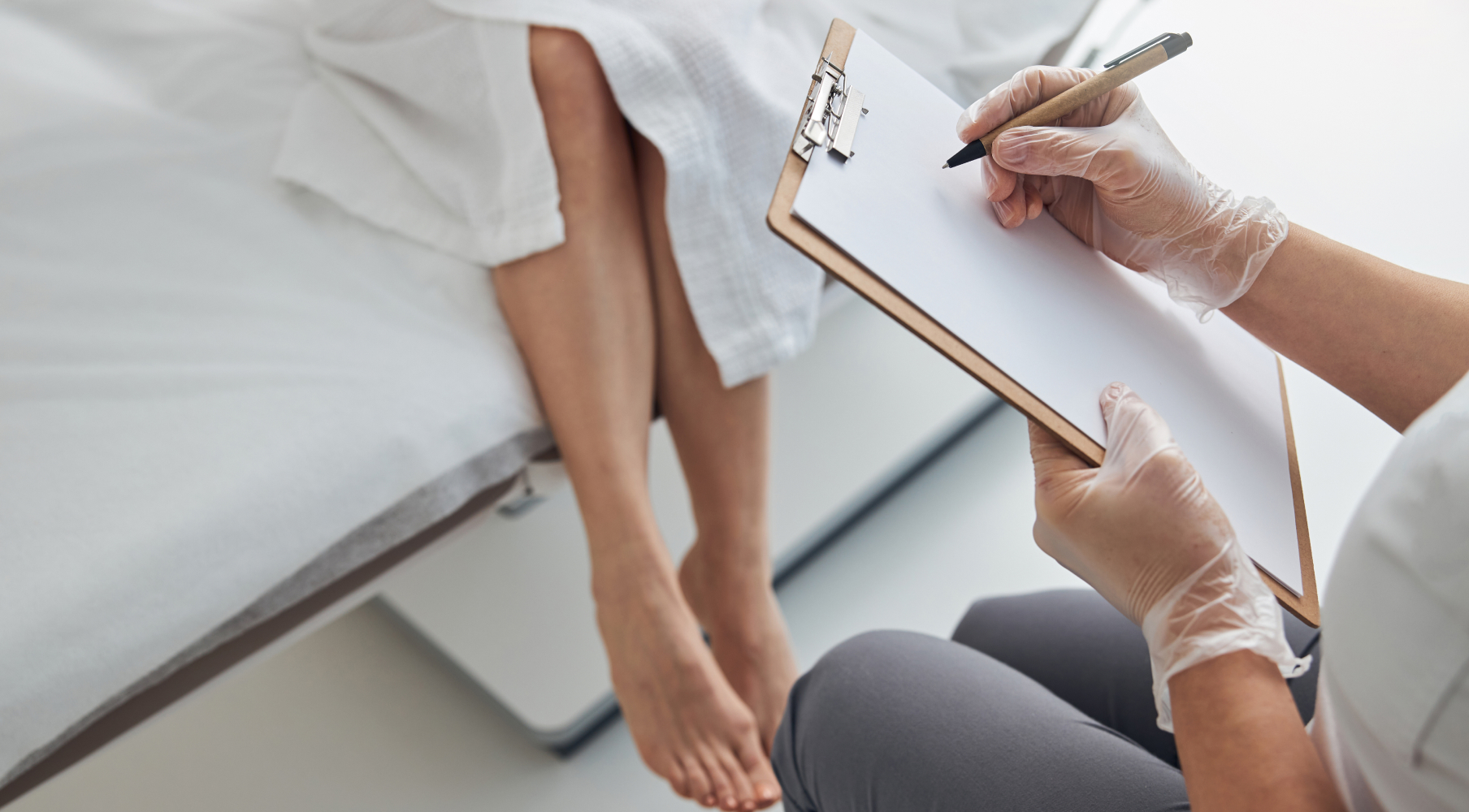
If you decide to go ahead, Dr Shaffer will plan your treatment. He outlines the nodules on your foot and marks a safety margin around them. This helps the radiation reach the lump while sparing nearby healthy tissue. A radiographer (who delivers the radiotherapy treatment) then records the area so they can treat the same area at every visit. Treatment usually starts a few days later.
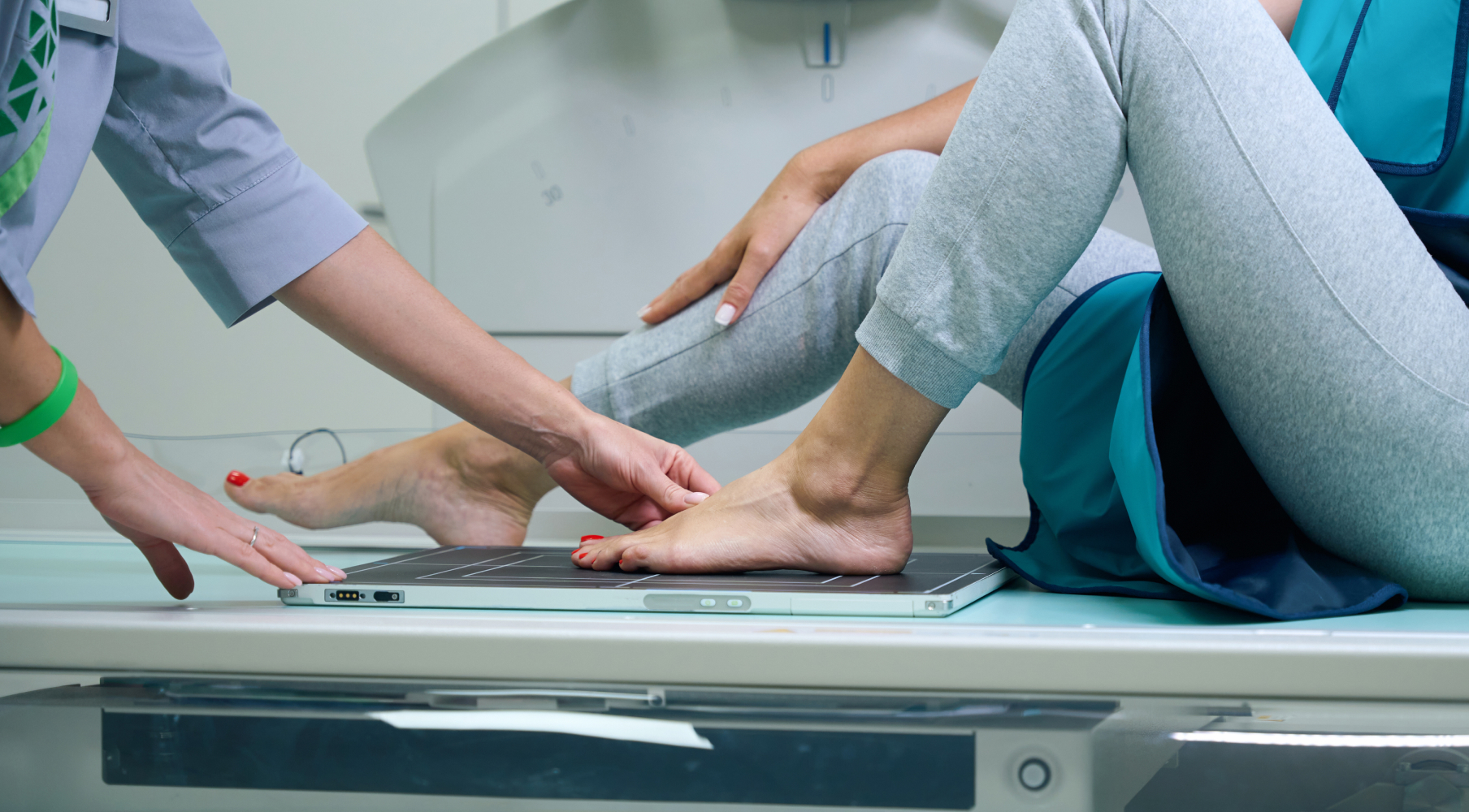
Each visit will take about ten minutes. You lie down comfortably while the machine delivers the beam for around a minute or two, and you will not feel it. You will have five sessions in a row over a week. After a break of around three months, you'll have another five sessions. Afterwards, Dr Shaffer's team will send a questionnaire at three months to check on your progress. Mild redness or dryness a few weeks later is common.
Dr Shaffer assesses patients in person at five locations nationwide. If travel is difficult, your first consultation can be held by video.
Treatment is available at 16 centres across the UK.
View Locations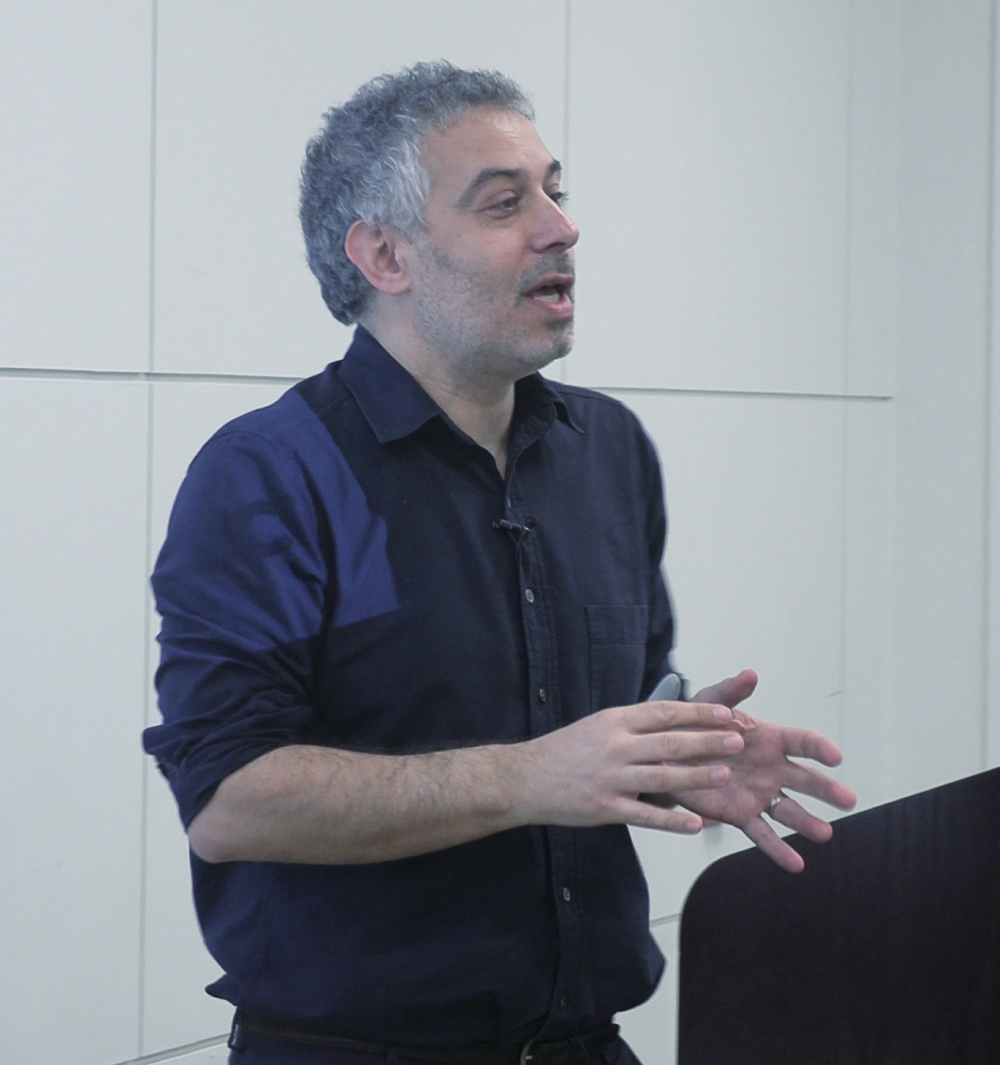
Your first appointment should tell you what is causing your symptoms and what your options are. You don't need a GP referral to book, and nobody will ask you to decide on treatment on the day. At your first appointment, Dr Shaffer will:
Researchers tested radiotherapy against a dummy treatment in people with painful Ledderhose lumps.
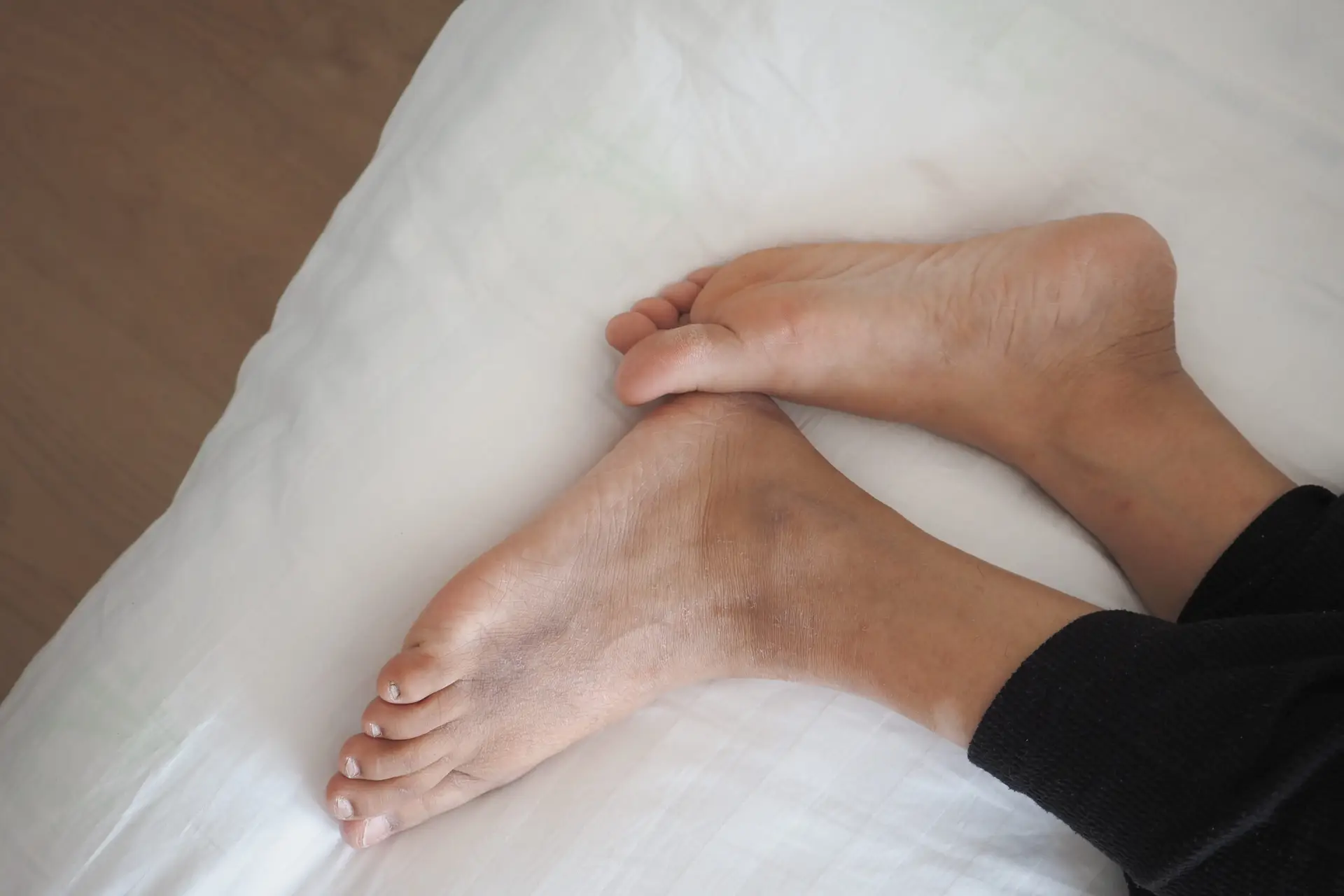
How the main options for Ledderhose lumps compare, from supportive footwear through to radiotherapy and surgery.
The exact cause is not known, but it often runs in families. It is more common in people who also have Dupuytren's disease, a related condition of the palm and fingers. If you have lumps in your hands too, our article on what Dupuytren’s disease is explains the link.
Plantar fasciitis is inflammation of the plantar fascia. It usually causes heel pain without a lump. Ledderhose disease is different. It causes the tissue in the arch of your foot to thicken, forming hard nodules. The two conditions can occur together. If you have a lump in the sole of your foot, it's worth having it examined to find out which condition is causing it.
Most people feel nothing during treatment. There are no needles, no anaesthetic and no incision. Radiotherapy does not make you drowsy or dizzy. A few weeks after treatment, the skin on your sole may look red, feel dry, or slightly sore. A small number of people notice more discomfort briefly before things improve. Our aftercare guide explains how to look after your skin.
Most people have five weekday visits in a row, repeated after a break of around three months. Each visit takes about ten minutes, and the beam is on for roughly a minute. Dr Shaffer will confirm your exact schedule after he examines your foot.
The doses used for non-cancerous conditions are far lower than those used for cancer. Side effects are usually mild skin changes, such as redness, dryness or a burning feeling a few weeks after treatment. In the Dutch trial, 19 in 20 reported side effects were mild. There is also a very small long-term risk of skin cancer in the treated area, estimated at around 1 in 1,000 or lower. Dr Shaffer will go through the risks with you before you decide, and our Ledderhose radiotherapy guide has more detail.
It can significantly reduce pain in around 70-80% of people. A Dutch clinical trial involved 84 people. After 12 months, about 3 out of 4 patients who had radiotherapy said their pain had eased fully or partly. Among people given a dummy treatment, about 1 out of 2 reported improvement.
The benefits build up slowly over weeks and months, not days. Radiotherapy works on the overactive cells in the nodule, so you will not feel a change straight away. That is why your progress is reviewed at three months, and why the main clinical trial measured results at 12 months. Some people may notice relief sooner; others need more time.
Ledderhose nodules rarely disappear without treatment. Some stay the same for years, while others slowly grow. No treatment is a cure, so the aim is to ease pain, slow growth, and keep you walking comfortably. Surgery carries a high chance of the lumps returning. Our guide to Ledderhose disease treatments compares the options.
Not automatically. Under the Equality Act 2010, a condition counts as a disability if it has a substantial, long-term effect on your normal day-to-day activities. What's important is how it affects you, not the diagnosis. If your lumps make walking or working difficult, your GP or Citizens Advice can point you to the right support.
No, you can book your first appointment directly. If you plan to claim on private medical insurance, check with your insurer first, as some ask for a GP referral or approval in advance. Our guide on GP referrals for private patients explains what to ask.
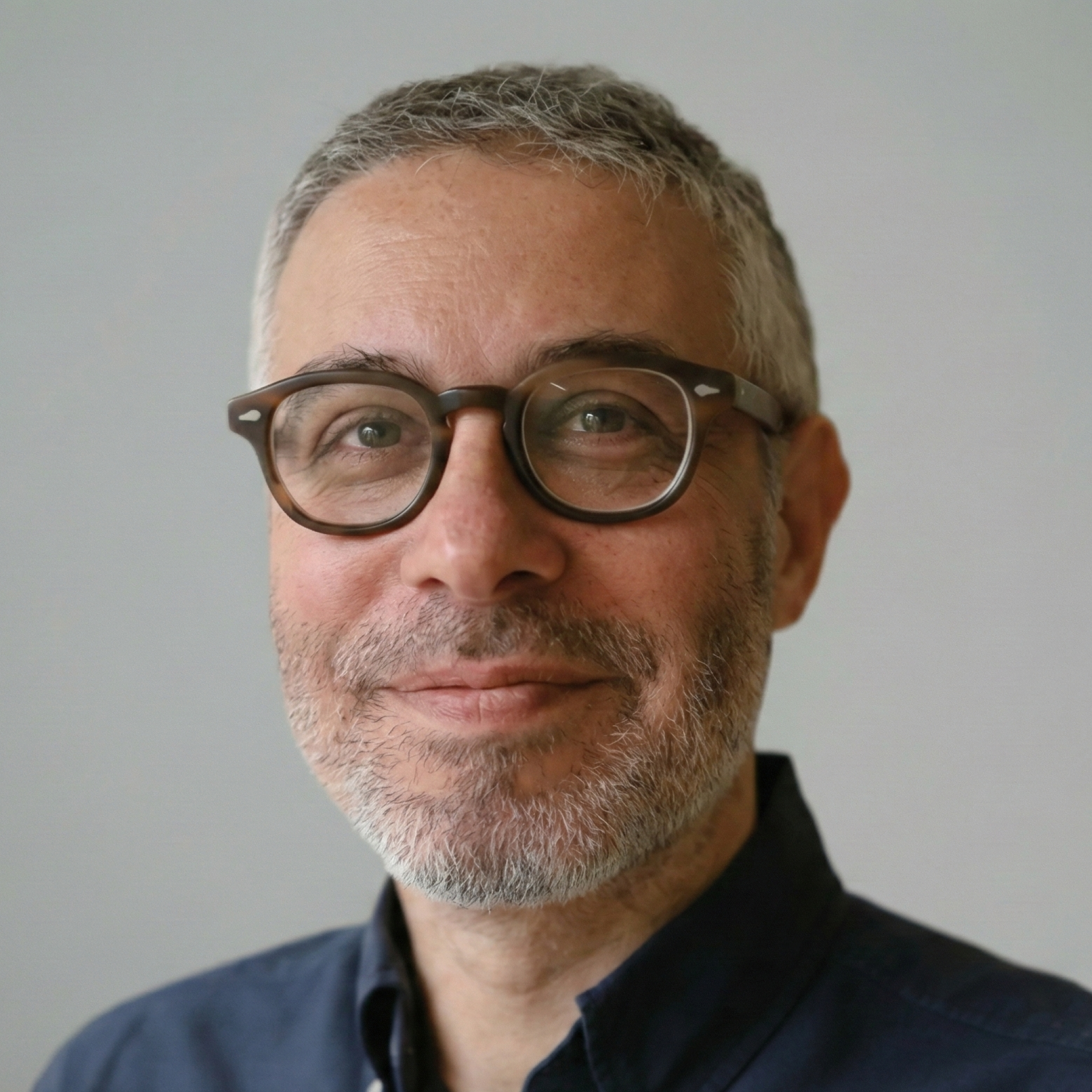
Radiotherapy Expert
Dr Shaffer has spent over fifteen years treating benign conditions with low-dose radiotherapy, from Dupuytren's and Ledderhose disease to osteoarthritis and keloids. Book a consultation to discuss your symptoms and whether treatment is right for you.
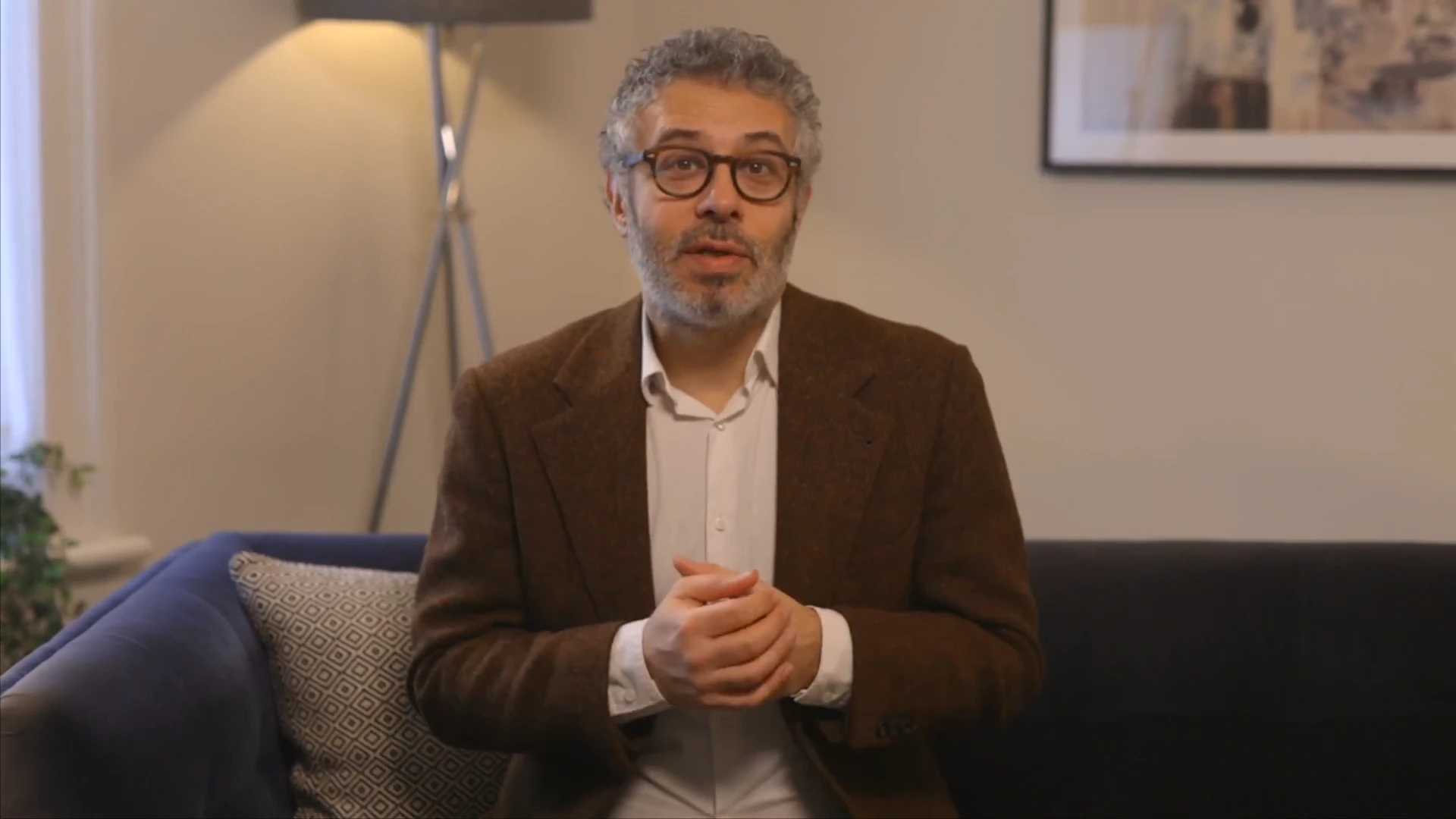
Dr Richard Shaffer
30 min
Ergéa Clinics currently accepts self-pay patients only, so all consultations and treatment are paid for directly. Dr Shaffer charges the following consultation fees:
If you see Dr Shaffer at Ergéa Clinics, planning and radiotherapy treatment will normally both take place at this location.
Our team aims to respond within one working day.
Sorry, that did not send. Please call 07584 532397 or email pa.drshaffer@genesiscare.co.uk.
Thank you. Dr Shaffer's team will be in touch shortly.